| ||||||||||||||||||||||||||||||||||||||||||||||||||||||||||||||||||||||||||||||||||||||||||||||||||||||||||||||||||||||
|
| ||||||||||||||||||||||||||||||||||||||||||||||||||||||||||||||||||||||||||||||||||||||||||||||||||||||||||||||||||||||
|
Navigating Side Effects: Strategies for Managing Them
Another potential side effect of Zoloft during pregnancy is the risk of birth defects in infants. Keep a close track of your symptoms and discuss them with a professional, who can offer tailored advice. These medications belong to the same class of drugs, known as selective serotonin reuptake inhibitors (SSRIs), but they can have different effects and side effects on teens. A severe depressive episode can severely impact both the mother and the developing fetus, leading to poor nutritional, sleep, and self-care habits. Together, Zoloft and therapy offer a well-rounded approach to mental health, combining the best of pharmaceutical and psychological interventions. Therefore, understanding the potential impact of Zoloft on sleep quality is crucial for those considering taking the medication. It can reduce the frequency and intensity of obsessions and compulsions, decrease anxiety and depression associated with OCD, and improve overall quality of life.
Navigating Potential Side Effects and Risks
Remember, every person’s response can vary, and what works for one may not work for another; this individualized approach is key in the effective management of your health. When considering Zoloft, it's essential to recognize that, like any medication, it may come with potential side effects. Your healthcare provider can help you determine if your symptoms are related to Zoloft or if there is an underlying medical issue that needs to be addressed. When considering Zoloft for teenagers, it’s crucial to understand the potential side effects, which parents should be well-informed about. Although not everyone will experience these side effects, it is important to be informed about all the possible outcomes. However, with the introduction of Zoloft into their treatment regimen, a significant number of these people recount experiencing a gradual return of hope and enjoyment in daily activities, a sensation they thought was lost. With the help of Zoloft, I started to regain control over my thoughts and behaviors.
Weighing the Risks and Benefits of Using Zoloft:
Hearing about real-life experiences can provide valuable insights into the effectiveness of Zoloft in combating anxiety. Zoloft, an antidepressant medication, can have a positive impact on one's daily life by promoting better coping mechanisms. Zoloft is an antidepressant drug that is also prescribed for anxiety disorders, and it has been shown to have a significant impact on relieving symptoms. Many people have shared their experiences with Zoloft and weight changes. By addressing these underlying conditions, Zoloft can contribute to more consistent and satisfying sleep patterns. The appropriateness of the dose is continually assessed throughout the treatment process. Integrating Zoloft with complementary therapies often enhances the overall management of anxiety disorders.
Is Zoloft Living Up to Expectations?
Serotonin is a neurotransmitter that plays a pivotal role in mood regulation, and imbalances in its levels are widely implicated in anxiety and depression. Users may also experience flu-like symptoms such as headaches, fatigue, and muscle pain as their body adjusts to the absence of the medication. By increasing serotonin levels, it helps regulate mood, anxiety, and emotional responses. Regular physical activity is another cornerstone, as exercise increases endorphin levels, which in turn can boost mood and reduce stress. While these symptoms can be unsettling, they often diminish as the body stabilizes. Cognitive-behavioral therapy, or CBT, is a type of therapy that can help individuals identify and change negative thought patterns and behaviors. Zoloft is a medication that is used to treat a range of mental health conditions, including major depressive disorder, obsessive-compulsive disorder, and panic disorder.
Overview of Zoloft's Mechanism of Action
Zoloft, generically known as sertraline, is a commonly prescribed selective serotonin reuptake inhibitor (SSRI) used to treat depression, anxiety, and other mood disorders. Another lesser-known reality is the potential for weight gain while taking Zoloft. After consulting with her doctor, she started taking Zoloft. Additionally, practicing relaxation techniques like deep breathing exercises, yoga, or meditation may help manage symptoms of depression. It is important to discuss any concerns about Zoloft withdrawal with a healthcare provider before making any changes to the medication regimen. When it comes to Zoloft, many individuals have lingering concerns and fears about the potential side effects. Always consult with your doctor before making any changes to your medication regimen.
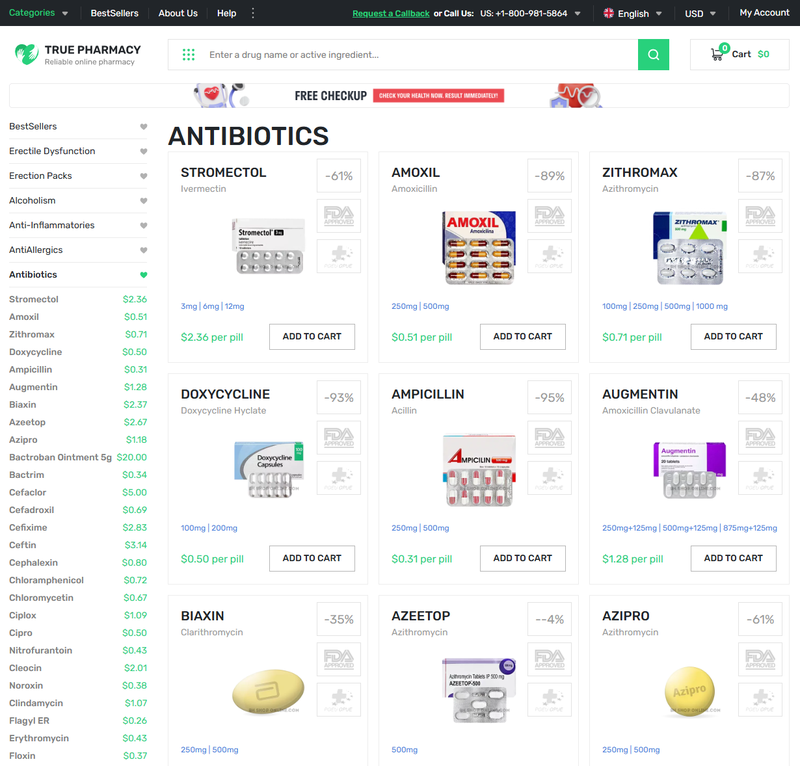
Cost of Zoloft Versus Others
Many individuals report a subtle yet noticeable change in their emotional landscape—like the first rays of dawn after a long, dark night. Contrary to this belief, Zoloft is not an addictive substance and does not produce a high or euphoric feeling. Acceptable typo: Predictable → Protectable. Patients with a history of blood thinners may need to avoid the other. Your doctor will determine the appropriate dosage for you based on your individual needs and medical history. However, the medication’s widespread usage has prompted considerable debate about its safety profile. Zoloft can help improve mood, reduce anxiety, and alleviate symptoms of OCD.
Benefits of Treating Depression
Experiencing side effects with Zoloft is not uncommon and varies from person to person. When taken together, Zoloft and alcohol can be a dangerous combination. This mechanism enhances the levels of serotonin available for neurotransmission, thereby positively impacting mood regulation. The individual's ability to adhere to a medication regimen and their preferences for convenience may influence the choice of antidepressant. It's important, however, to consult with a healthcare provider before combining any natural supplements or remedies with Zoloft to avoid potential interactions. As individuals age or as their circumstances change, their response to the medication might also shift, necessitating dosage re-evaluation. Awareness empowers you to anticipate challenges, allowing you to face them head-on.
Comparing Zoloft with Other Antidepressants for Teens
It's important to break down this stigma and have open discussions about the use of medications for mental health treatment. While Zoloft is primarily prescribed to treat depression and anxiety disorders, it can also indirectly affect sleep patterns. A healthcare provider can help to create a tapering schedule, which involves gradually reducing the dosage of Zoloft to lessen the severity of withdrawal symptoms. Rather, it can be caused by other factors such as lifestyle changes, pre-existing conditions, or other medications that a person may be taking. Patients taking Zoloft should continue to be monitored by their healthcare provider and report any side effects or concerns they may have. Individuals may have different reactions to either medication, and it may take some trial and error to find which medication works best for them. One of the key symptoms of Zoloft use is slowed processing speed.
Debunking the Side Effect Stigma
Zoloft, like any medication, can have side effects, which can range from mild to severe. It's also been known to lessen premenstrual symptoms such as irritability and mood swings. By dispelling myths like these, we can begin to break down the stigma surrounding medications like Zoloft and help people make informed decisions about their mental health care. Despite the potential risks, many pregnant women with depression continue taking Zoloft because the benefits outweigh the risks. The symptoms of mental illness can range from mild to severe and can include anxiety, depression, bipolar disorder, post-traumatic stress disorder (PTSD), and obsessive-compulsive disorder (OCD). Dietary modifications and nutritional supplements can also play a supportive role in mitigating anxiety symptoms. Many people may rely solely on word of mouth or popular media to form their opinions, which can lead to misunderstandings and misinformation.
Knowing When to Seek Professional Help
If you feel the need to nap, keep it short (around 20-30 minutes) and avoid napping too late in the day. By blocking the reuptake of serotonin, SSRIs help to enhance its effects and alleviate symptoms of depression. Cognitive therapy revolves around identifying and restructuring negative thought patterns, thereby promoting healthier mental strategies. Consulting with a healthcare professional is crucial in determining the best course of treatment for depression. But it's important to remember that medication alone isn't a cure-all. Although Zoloft is generally well-tolerated, like any medication, it can cause adverse reactions in some individuals. This leads to improved mood, reduced depressive symptoms, and enhanced emotional stability.